Essential Muay Thai Techniques for Beginners
Essential Muay Thai Techniques for Beginners: Master Basic Strikes, Footwork, and Defense to Start Training Safely
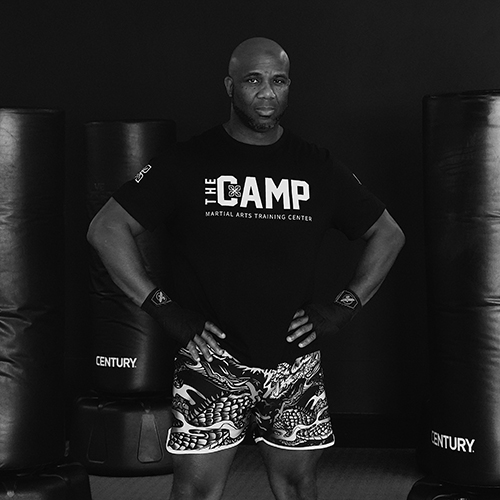
By Osei Xavier, The Camp Martial Arts Training Center
Muay Thai is a disciplined striking art that rewards steady practice and sound technique. For beginners, concentrating on core strikes, footwork and defence is key to training safely and progressing. This guide summarises those principles so new students can build competence, reduce injury risk and gain confidence. You will learn why mechanics matter, how footwork supports balance and mobility, and which defensive skills protect you in drills and sparring. The article also outlines useful training drills and links to trial classes at The Camp Martial Arts Training Center for guided instruction.
What Are the Basic Muay Thai Strikes Every Beginner Should Learn?
Fundamental strikes—punches, kicks, elbows and knees—are the technical base of Muay Thai. Each develops specific attributes: punches build timing and hand speed, kicks add range and power, elbows sharpen close control and knees improve clinch effectiveness. Executing these techniques with correct mechanics lowers injury risk and creates a reliable platform for sparring and advancement.
How to Perform the Fundamental Punches and Elbow Strikes Correctly

Begin with a stable fighting stance: feet shoulder-width, knees slightly bent and weight centred. For punches, keep a tight fist and a aligned wrist; generate power by shifting weight from the rear foot through the hips. Practice jabs and crosses with controlled rotation and return your hands to guard. For elbows, use short, accurate motions and keep the non-striking arm protecting head and torso.
Which Basic Kicks and Knee Techniques Build a Strong Foundation?
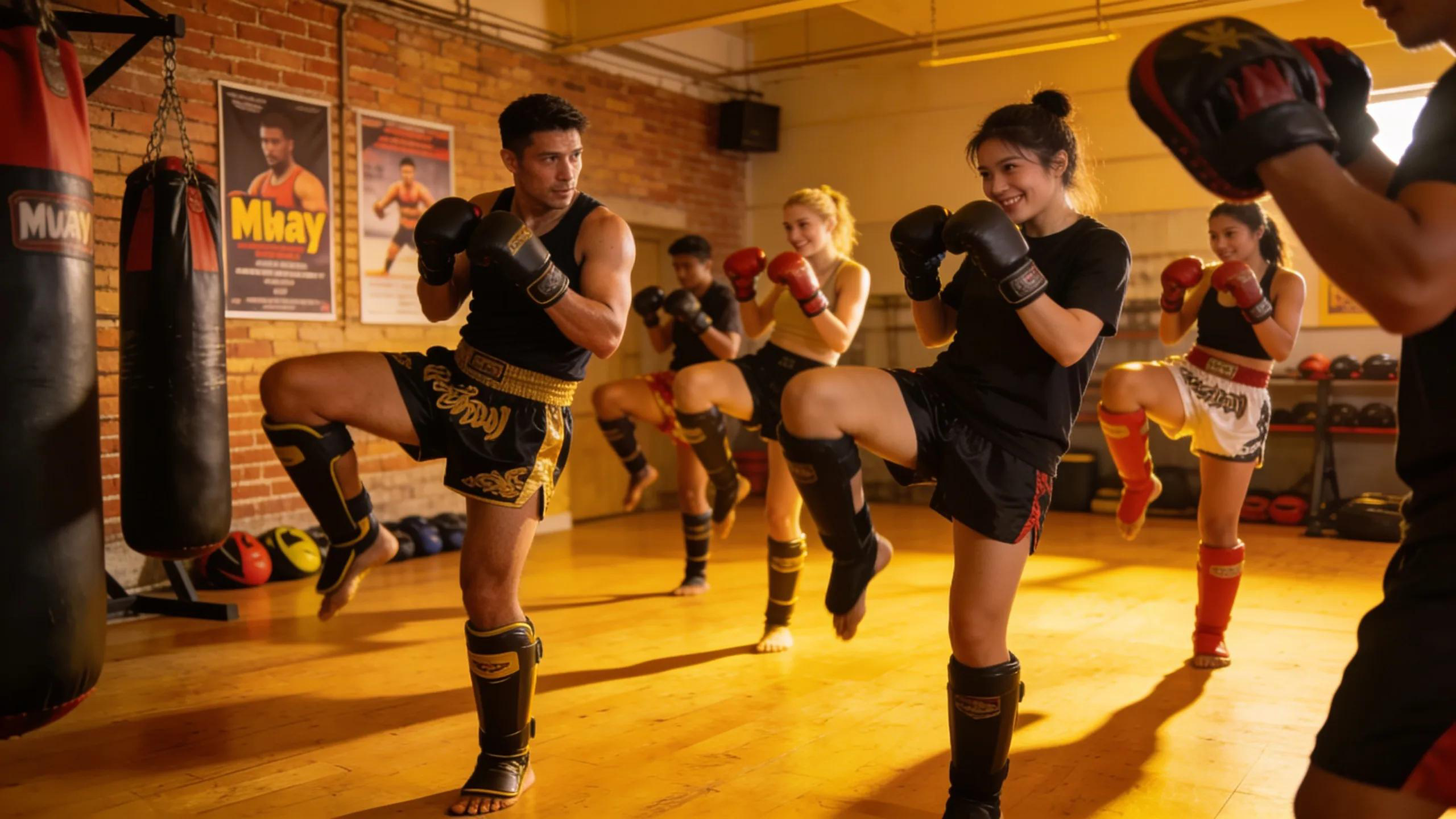
Key beginner kicks are the teep and roundhouse; knees support close-range offence. Use the teep to manage distance with a balanced base. The roundhouse produces power through hip rotation and a pivot on the support foot, striking with the shin. Drive knees upward with hip and core engagement while maintaining alignment. Avoid overcommitting and always protect the head and body during execution.
How Do Beginners Develop Muay Thai Footwork for Effective Movement and Balance?
Footwork underpins offence and defence. Good movement keeps you balanced, creates striking opportunities and makes you harder to hit. Beginners should practise controlled steps, angle management and posture so techniques land with stability and recovery is quick.
What Are the Key Footwork Patterns to Improve Agility and Positioning?
Drill the basic step, lateral movement and pivot to build positioning. The basic step moves you forward or back while preserving your centre of gravity. Lateral steps evade linear attacks and create angles. Quick pivots change your striking line and open counter opportunities. Regular, drilled repetition improves agility and timing.
How Does Proper Footwork Enhance Defensive and Offensive Techniques?
Proper footwork enhances reach, power and evasiveness. Correct placement at impact increases punch and kick force; timely sidesteps and retreats let you avoid strikes and reset. Solid footwork makes your offence more efficient and your defence more dependable against varied opponents.
Which Defensive Techniques Should Beginners Practice to Stay Safe During Training?
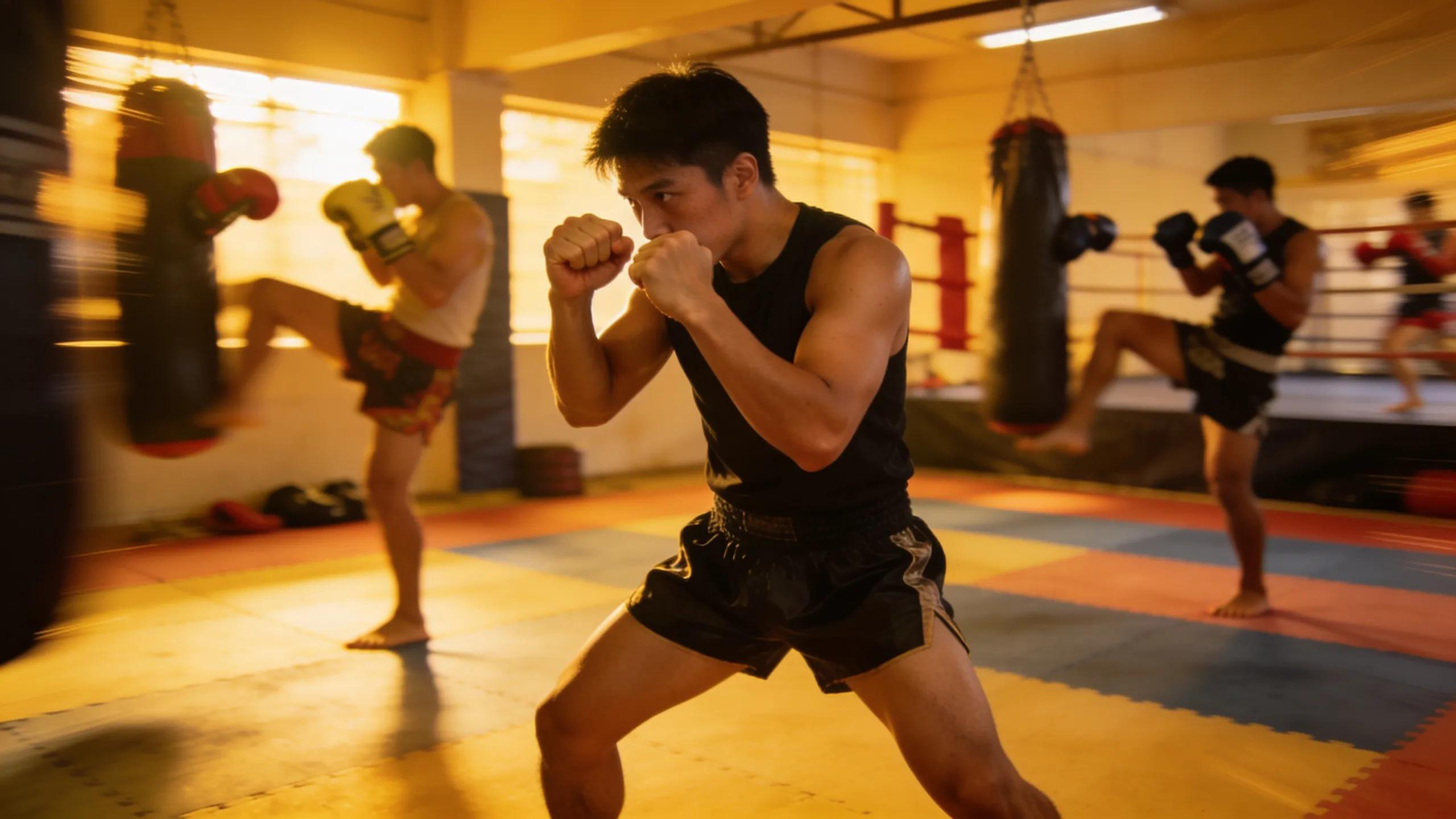
Defensive skills are essential for safe training. Beginners should learn to block, parry and use evasive movements to limit damage and create counter chances. A defensive-first mindset reduces injury and supports steady technical development.
How to Use Blocks, Parries, and Evasive Movements Effectively
Use forearms and gloves to block with correct alignment and timing so force is distributed safely. Parries are small hand movements that redirect attacks and conserve energy. Evasive actions—slips, ducks and controlled pivots—remove you from the attack line while keeping you poised to counter. Integrate these drills regularly to build a defensive foundation.
What Are Safe Sparring Practices and Injury Prevention Tips for New Students?
Adopt a conservative sparring approach. Wear appropriate protective gear—mouthguard and shin guards—and communicate intensity with your partner. Start with light contact and increase intensity gradually as skills and comfort improve. Monitor fatigue, rest to avoid overuse injuries, and follow instructor guidance at all times.
What Are the Most Effective Beginner Muay Thai Training Drills and Combinations?
Structured drills speed skill acquisition by isolating technique, tempo and conditioning. Effective sessions cycle through pad work, shadowboxing, partner drills and controlled combinations to reinforce mechanics while building endurance and coordination.
Which Simple Combinations Build Coordination and Endurance for Beginners?
Practice simple combinations such as jab–cross–hook, teep–roundhouse and knee–elbow to develop flow and timing. Start slowly to ensure correct mechanics, then raise speed and intensity as technique stabilises. Regular repetition builds muscle memory and cardiovascular conditioning.
How Can Trial Classes at The Camp Facilitate Learning These Techniques Safely?
Trial classes at The Camp Martial Arts Training Center let beginners learn under experienced instructors who emphasise safety and proper form. Lessons progress at an appropriate pace so students master basics before advancing. This supportive, methodical approach makes The Camp a suitable environment for learning Muay Thai and developing lasting skills. The Camp provides a clear pathway from fundamentals to higher‑intensity training.
Frequently Asked Questions
What should I wear for my first Muay Thai class?
Wear comfortable athletic clothing that allows full range of motion—lightweight shorts and a breathable top. Many gyms train barefoot to improve mat connection; some permit Muay Thai shoes or foot protection if required. Bring a water bottle to stay hydrated.
What is the typical duration of a Muay Thai training session?
Most sessions run 60 to 90 minutes and follow a format: warm‑up, technique drills, pad work or partner exercises, and a cool‑down. This structure gives instructors time to teach, correct form and provide practice. New students should pace themselves and build endurance over several classes.
Is prior martial arts experience necessary to start Muay Thai?
No. Instructors teach foundational skills to students of all backgrounds. The curriculum emphasises strikes, footwork and defence so beginners can learn progressively—tell your instructor about any prior experience to get tailored guidance.
How often should I train to see improvement?
Training two to three times per week is recommended for steady progress. Consistent practice reinforces technique and builds muscle memory, coordination and fitness. Include rest days for recovery and increase frequency only when your body and technique allow.
What safety measures should I follow during training?
Prioritise protective equipment—gloves, shin guards and a mouthguard—especially during sparring. Communicate intensity with partners and follow instructor directions. Watch for signs of fatigue or pain and take breaks to prevent injury.
Can I progress in Muay Thai even if I’m not in great shape?
Yes. Classes accommodate varied fitness levels, and training itself improves strength, endurance and agility. Progress is individual; focus on consistent practice and measurable gains rather than comparing yourself to others.
Conclusion
Learning essential Muay Thai techniques gives beginners a safe, structured path to confidence and capability. Mastering strikes, footwork and defensive drills improves effectiveness and prepares you to progress methodically. Consider trial classes at The Camp Martial Arts Training Center for personalised instruction and a supportive environment. Begin training deliberately and experience the practical benefits Muay Thai delivers.