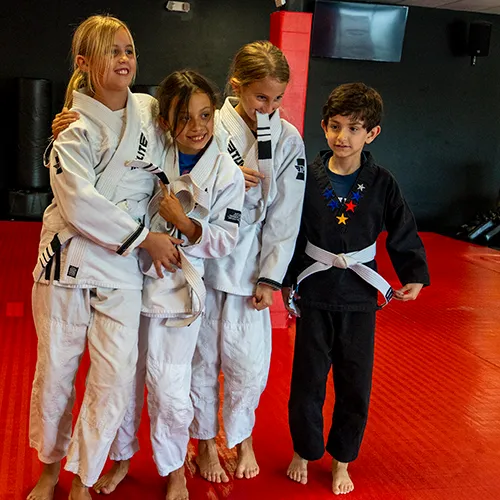
Training Muay Thai and BJJ is great for Kids
Why Training Muay Thai and Brazilian Jiu Jitsu is Great for Kids: Key Benefits and Developmental Impact
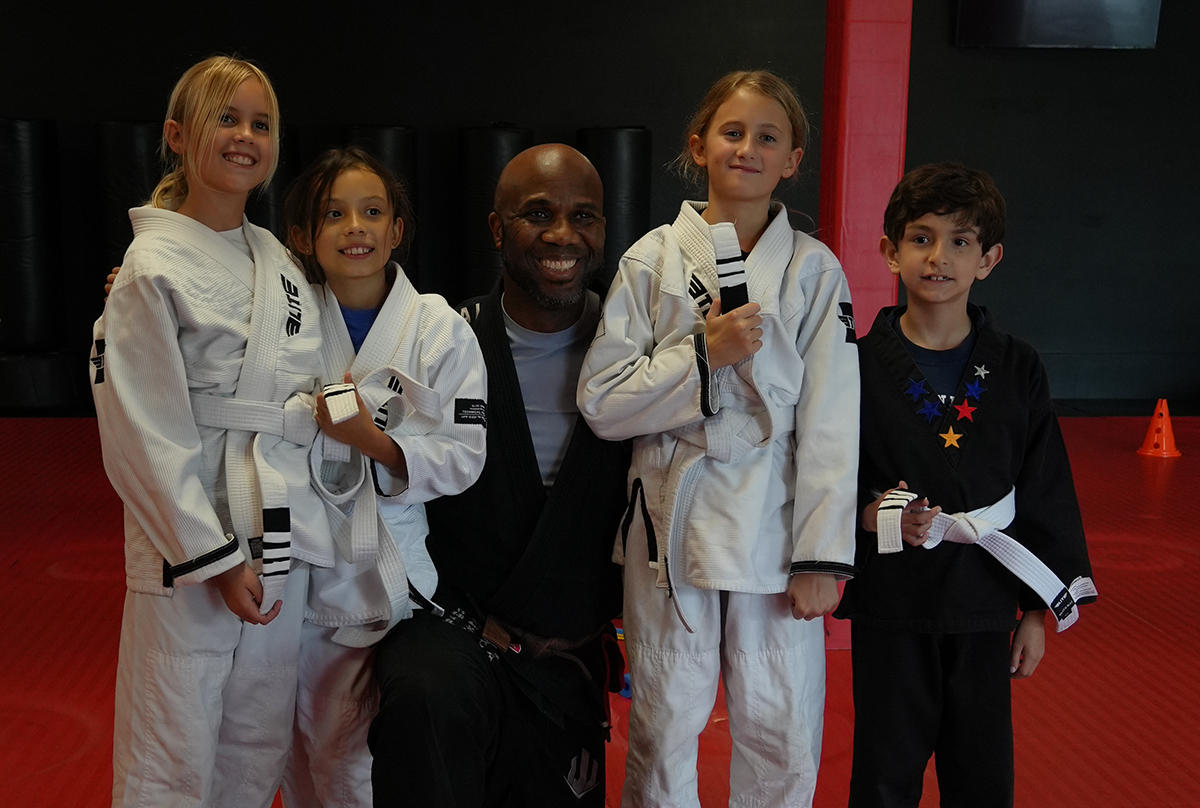
By Osei Xavier, The Camp Martial Arts Training Center
Training children in Muay Thai and Brazilian Jiu Jitsu (BJJ) delivers measurable physical, mental and social benefits. These systems improve fitness while teaching practical self-defence, discipline and confidence. They also build perseverance and resilience—qualities that support a child’s broader development. Below we outline the core outcomes of consistent training, covering physical health gains, mental growth and applied self-defence, and we offer guidance for parents on safe, effective programme selection.
Key Benefits
Muay Thai and BJJ produce clear, complementary advantages. Physically, they increase cardiovascular fitness, strength, coordination and flexibility. Mentally, they sharpen focus, reinforce discipline and strengthen emotional resilience. Socially, the class environment teaches respect, humility and constructive communication. Together these elements form a structured path toward confident, capable young people who can meet everyday challenges with poise.
To help children realise these benefits, The Camp Martial Arts Training Center runs targeted programmes organised by age and skill level. Parents interested in class details should review the class schedule as the next step.
What Physical Health Benefits Do Kids Gain from Muay Thai and Brazilian Jiu Jitsu?
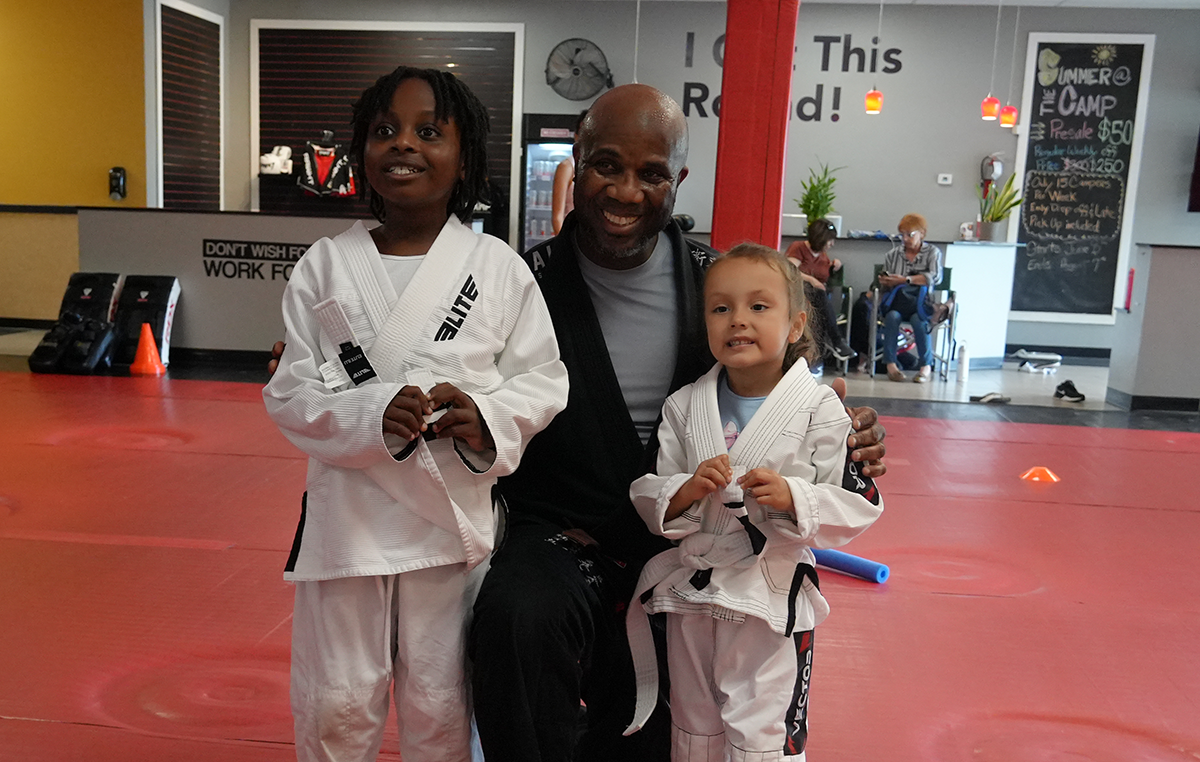
Both disciplines offer a disciplined, progressive approach to physical conditioning. Regular sessions improve cardiovascular endurance, build muscular strength and increase flexibility. The sustained, varied activity helps children manage weight while developing coordination and overall athletic ability.
How Do These Martial Arts Improve Kids’ Fitness and Coordination?
Muay Thai and BJJ use technique-focused drills and controlled sparring to develop movement skills. High-intensity intervals and technical repetitions train reflexes, timing and posture. Over time children reinforce efficient movement patterns that translate into better balance, agility and motor control.
What Safety Protocols Ensure Child Well-Being During Training?
Safety is integral to class design. Structured Muay Thai and BJJ sessions include supervised training, age-appropriate equipment and clear, progressive instruction from experienced coaches. Classes use positive reinforcement and defined rules to create a secure learning environment where children can develop without undue risk.
How Do Muay Thai and Brazilian Jiu Jitsu Foster Mental and Emotional Growth in Kids?
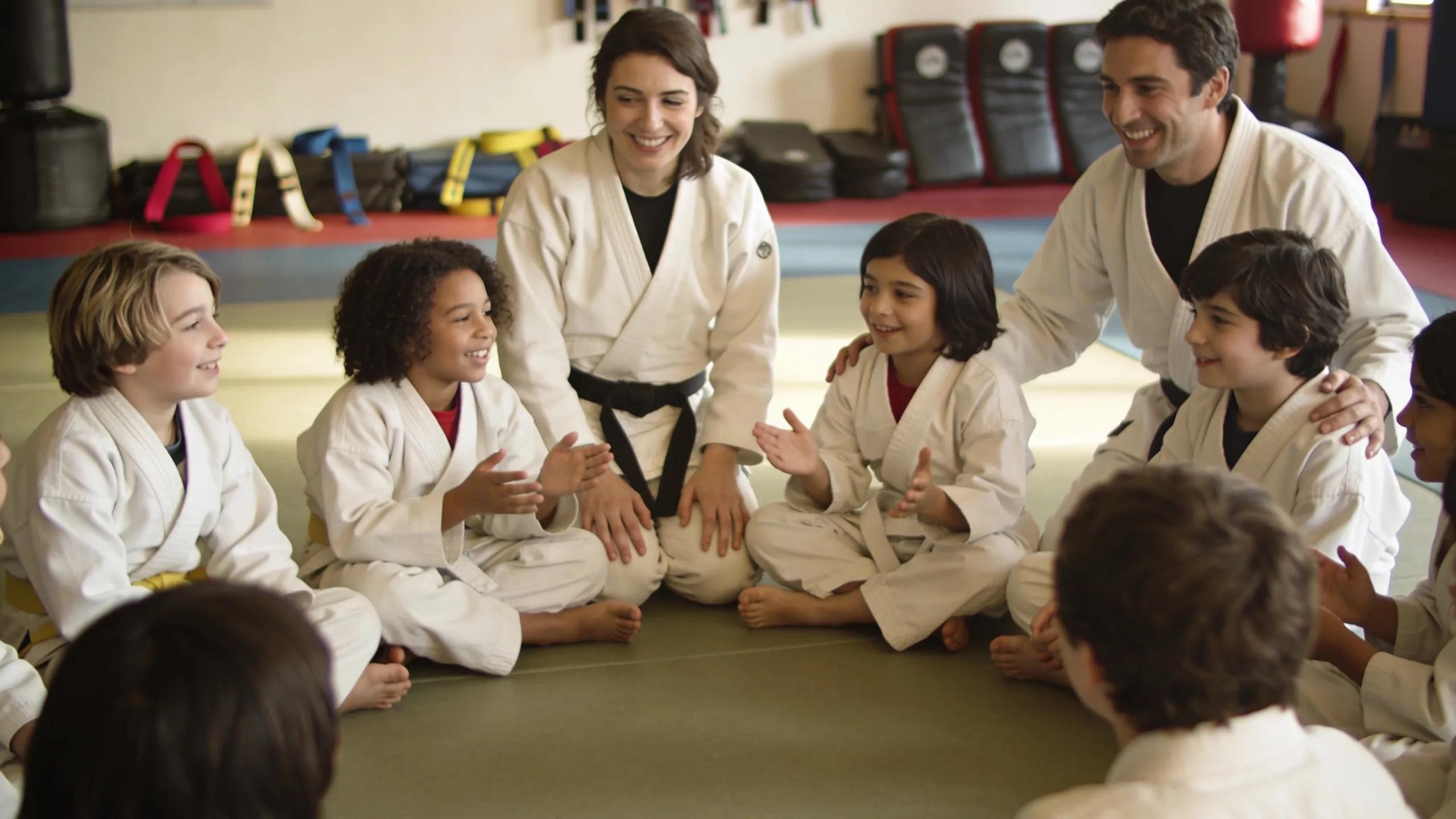
Mental and emotional development is a key outcome of consistent training. Muay Thai and BJJ teach concentration, emotional regulation and confidence through structured lessons and measurable progress. These traits support academic focus and healthier peer interactions.
In What Ways Do Martial Arts Build Confidence and Discipline?
Training imposes clear expectations and a progression of skills, which teaches children accountability and respect for instructors and peers. Learning to meet challenges in class—through technique mastery and controlled sparring—builds reliable confidence and the self-control to handle social pressures constructively.
How Do These Programs Help Children Manage Stress and Anxiety?
Martial arts channel physical energy into structured activity, which lowers stress and improves focus. Breath control and repetition of techniques promote calm under pressure, while membership in a training community provides social support that bolsters emotional well‑being.
What Self-Defense Skills and Practical Advantages Do Kids Acquire Through Training?
Muay Thai and BJJ provide practical, situational skills children can use to protect themselves. The emphasis is on awareness, technique and control, not aggression, enabling children to respond appropriately in risky situations.
How Does Brazilian Jiu Jitsu Enhance Children’s Defensive Techniques?
BJJ prioritises leverage, position and control on the ground, allowing smaller or weaker practitioners to neutralise larger opponents. Through progressive drills, children learn effective escapes, holds and defensive positions that increase their ability to manage confrontations safely.
Why Is Muay Thai a Valuable Martial Art for Kids’ Safety and Confidence?
Muay Thai develops striking technique, timing and footwork—skills that improve physical awareness and self-assurance. Training builds power and agility while reinforcing disciplined use of force and situational judgement outside the gym.
How Can Parents Enroll Their Kids in Muay Thai and Brazilian Jiu Jitsu Programs Safely and Effectively?
Enrolling a child requires careful selection of a programme that matches their developmental needs. Parents should prioritise qualified instructors, age‑appropriate curricula and transparent safety policies when assessing options to ensure a positive training experience.
What Are the Age Recommendations and Class Options for Children?
Classes are organised by age and skill to align instruction with developmental stages. The Camp Martial Arts Training Center provides age‑specific sessions that focus on appropriate techniques and progressive skill building, ensuring safe, effective learning at each stage.
Where Can Families Find Trial Classes and Membership Programs in South Florida?
Trial classes let families evaluate coaching style and class structure before committing. The Camp Martial Arts Training Center offers introductory sessions where children meet coaches and learn basic techniques in a supportive setting. Membership plans start at $14.99 for unlimited classes for one week, providing an accessible way to test the programme. To learn more about joining, contact us today.
Frequently Asked Questions
What should parents consider when choosing a martial arts program for their children?
Assess the instructor’s qualifications, the class structure and whether the programme emphasises safety and skill development. Observe a class to see how instructors manage behaviour and progression. Discuss any specific concerns with staff so instruction can be tailored to your child’s needs.
How do Muay Thai and BJJ help improve social skills in children?
Group classes encourage teamwork, respect and clear communication. Partner drills require cooperation and mutual feedback, while a structured environment teaches conflict resolution and constructive social interaction. These experiences help children build friendships and social confidence.
What type of gear do children need for training in these martial arts?
Proper equipment supports safety and technique. Typical items include a mouthguard, shin guards and boxing gloves for Muay Thai; a gi and belt for BJJ. Training centres often provide guidance on required gear and may offer equipment for purchase or rental.
Can martial arts training support children's academic performance?
Yes. Martial arts reinforce concentration, discipline and goal‑setting—skills that transfer to academic work. Regular physical activity also supports cognitive function, improving focus and retention that benefit school performance.
How often should children train to see benefits from martial arts?
Training two to three times per week provides sufficient practice to develop technique, fitness and mental skills. Consistent attendance reinforces progress while allowing balance with school and other activities to prevent burnout.
Are there any risks associated with children training in martial arts?
As with any sport, minor injuries such as bruises or strains can occur, but structured programmes minimise risk through supervision, age‑appropriate drills and proper equipment. Choosing qualified instructors and encouraging open communication about discomfort helps keep training safe.
Conclusion
Muay Thai and Brazilian Jiu Jitsu build measurable physical fitness, mental resilience and social skills. These arts teach practical self‑defence while reinforcing confidence and discipline through structured progression. Parents can seek local programmes that prioritise safety and clear instruction to support their child’s development. Encourage your child to join a class to begin that development and experience the benefits firsthand.